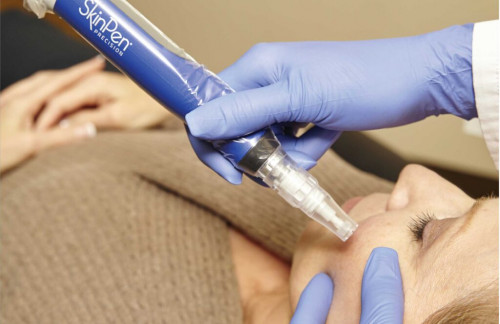
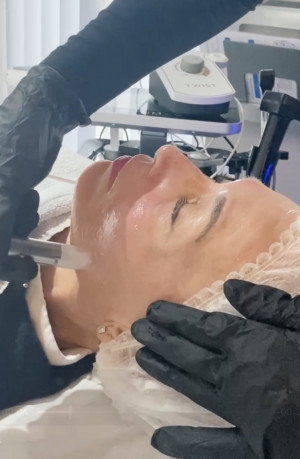
Dr. Stephanie microneedling with the X-Cellaris Twist device -
which creates 150 precise micropunctures per second!!
Who Should (and Shouldn’t) Try Microneedling?
Good candidates for microneedling:
- Individuals with acne scars, fine lines, enlarged pores, or uneven skin tone.
- Those looking for skin rejuvenation without downtime.
Caution is advised if you have:
- Active acne (currently debatable) or skin infections.
- Keloid scarring history.
Why Seeing a Skin Specialist Matters
Your skin is unique, and microneedling isn’t a one-size-fits-all treatment. A qualified skin specialist will:
- Assess your skin type and concerns
- Adjust needle depth and technique safely
- Ensure your skin is properly prepared and cared for afterwards
- Minimise risks such as irritation, infection, or unwanted results
Without this level of expertise, it’s easy to over-treat, use incorrect depths, or apply the treatment in a way that can compromise your skin barrier.
Professional vs. At-Home Microneedling
- Professional treatments use longer needles (up to 4mm ), suitable for deep acne scars and wrinkles. These treatments should only be done by trained skin health specialists in a sterile clinic.
- At-home rollers typically range from 0.2–0.5mm and are generally safe for surface-level treatments and enhanced product absorption—but results are more modest. Plus, by doing it yourself, it can be difficult to keep the skin sterile, apply even pressure and not ‘drag’ or tear the skin.
Devices & Regulation – Not All Needles Are Created Equal
One of the biggest differences in professional microneedling comes down to the device being used. At Orchard House Dr. Stephanie uses medically regulated devices designed with safety and precision in mind:
- They meet strict medical safety standards
- They use sterile, single-use needle cartridges
- The needles are high quality medical grade steel
At-home devices, on the other hand, can vary significantly in quality. Some devices—especially lower-cost electric pens—can penetrate deeper than expected. This creates a potential risk: treatments that mimic professional procedures, but without the same level of control or safety.
What to Expect Post-Treatment
After microneedling, you can expect:
- Mild redness (like a sunburn) for 24–72 hours.
- Some dryness or peeling as the skin regenerates.
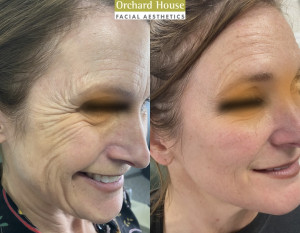
- Visible improvement in 2–4 weeks, with continued enhancement over months.
Strict aftercare (hydration, sun protection, and avoiding skincare actives like acids temporarily) is crucial for optimal healing and results.
Final thoughts?
Microneedling is much more than a beauty trend—it’s a scientifically validated method to revitalise the skin from within by stimulating your body’s natural regenerative processes.
Instead of relying on synthetic chemicals or invasive treatments, it works by encouraging your skin to rebuild itself—making it a smart choice for those seeking effective, minimal-intervention skincare.
Ready to glow naturally?
Sources:
- International Journal of Dermatology (2008), Collagen induction therapy study.
- Journal of Cutaneous and Aesthetic Surgery (2015), Acne scarring and microneedling.
- International Journal of Trichology (2013), Hair regrowth with microneedling.
- NIH, Wound healing process literature.
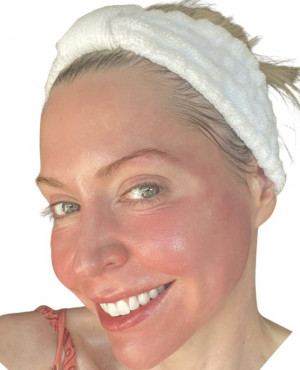
Dr. Stephanie - Straight after microneedling with SkinPen