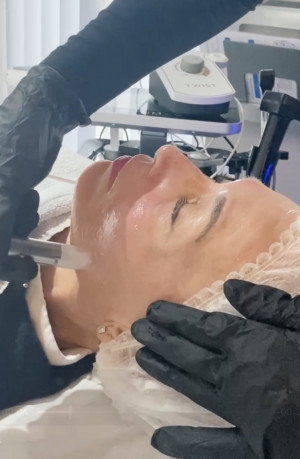
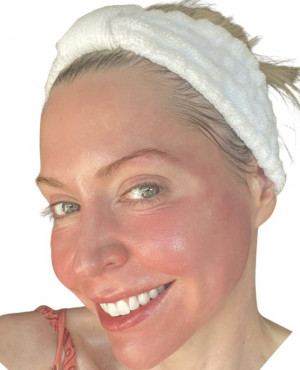
Let’s delve into the science behind microneedling and uncover the benefits backed by clinical research...
What Is Microneedling?
Microneedling, also known as collagen induction therapy, involves using a device with tiny, sterile needles to create controlled micro-injuries in the skin. These microscopic punctures trigger the body's natural healing process—stimulating collagen and elastin production.
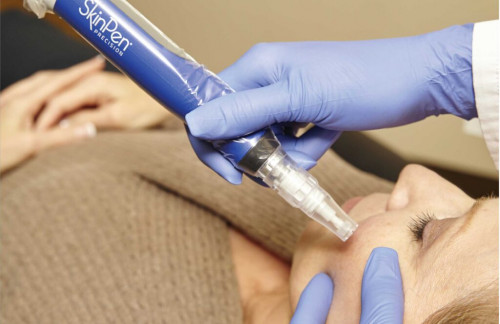
The process might sound intense, but using a sterile precision mechanical device, such as SkinPen or the XCelllaris Pro Twist, the damage is controlled and minimal.
The skin responds by regenerating itself, becoming firmer, smoother, and more resilient over time.
The Science: How Microneedling Works
Microneedling activates the wound healing cascade, a complex biological process with three key phases:
- Inflammation (0–48 hours)
The skin reacts to the micro-injuries by increasing blood flow and immune activity. Platelets release growth factors like TGF-β, PDGF, and VEGF, which recruit fibroblasts and initiate healing.
- Proliferation (2–5 days)
Fibroblasts begin producing new collagen (mainly type III initially), elastin, and extracellular matrix. Keratinocytes migrate to the surface, improving skin texture and tone.
- Remodelling (5 days to several months) Collagen is reorganised and strengthened (mainly into type I collagen), improving skin structure and elasticity. This phase can continue for months after treatment.
Proven Benefits of Microneedling - supported by scientific studies:
1. Microneedling Improves Fine Lines and Wrinkles
By stimulating collagen and elastin production, microneedling can significantly reduce the appearance of fine lines and wrinkles.
A 2008 study in the International Journal of Dermatology showed that patients treated with microneedling experienced a 400% increase in collagen and elastin six months after a single treatment.
2. Microneedling Reduces Acne Scars
Microneedling is especially effective for atrophic acne scars—the indented scars caused by tissue loss.
A 2015 study in the Journal of Cutaneous and Aesthetic Surgery found microneedling to be a safe and effective treatment for acne scars, with significant improvement after just three sessions.
3. Microneedling Enhances Topical Product Absorption
The microchannels created by microneedling temporarily increase skin permeability, allowing for deeper penetration of serums, growth factors (such as iPRF/PRP) or vitamins. This can amplify the effects of ingredients like hyaluronic acid, vitamin C, and peptides.
4. Microneedling Minimises Pore Size
Though microneedling doesn’t directly “shrink” pores, it can reduce their appearance by increasing skin firmness around the pores.
5. Microneedling Improves Skin Texture and Tone
Microneedling helps fade hyperpigmentation, melasma, and sun damage. Combined with depigmenting agents, it’s a promising option for uneven skin tone.
6. Microneedling & Hair Growth Stimulation (Scalp)
Microneedling has shown success in treating androgenetic alopecia (male and female pattern baldness).
When used with minoxidil, microneedling significantly improved hair regrowth compared to minoxidil alone, as reported in a 2013 study in the International Journal of Trichology.
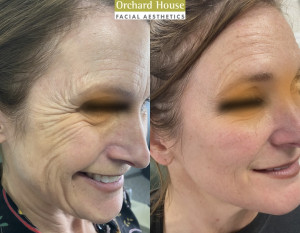
6 months after a course of 4 microneedling sessions with Dr. Stephanie at Orchard House